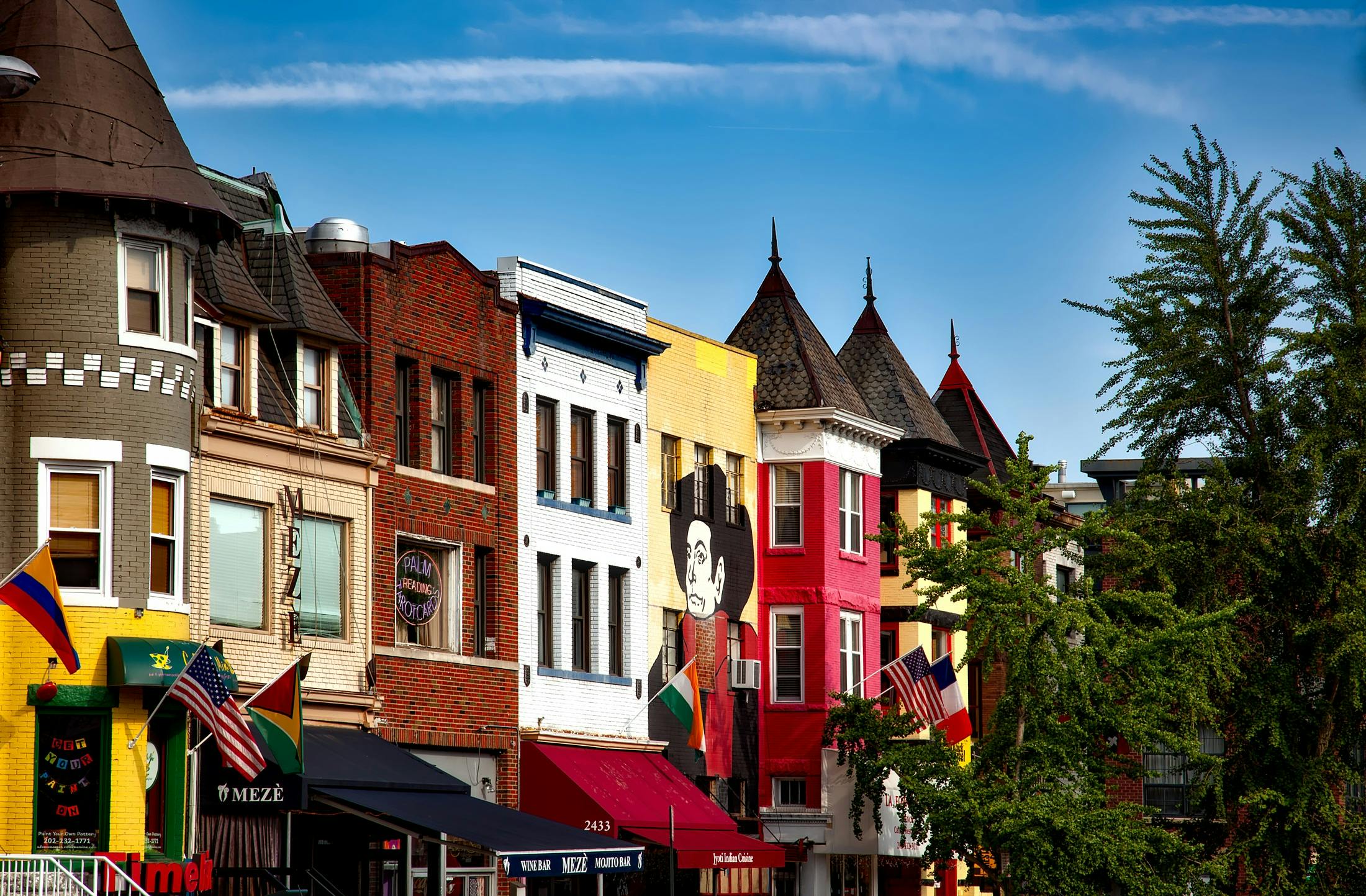
This is the updated paragraph. Washington DC investor loans are designed for real estate buyers who need financing based on investment strategy, rental income, property value, and exit plan — not just traditional owner-occupied mortgage guidelines. Washington DC investor loans offer unique benefits tailored to specific needs.
For investors, Washington, DC is a unique market. The District combines high property values, strong rental demand, dense housing stock, neighborhood-by-neighborhood pricing differences, and strict landlord compliance requirements. In 2026, the DC housing market also reflects a more selective buyer environment, with Redfin reporting a median sale price near $650,000 for the three months ending April 2026, down 5.2% year over year.
Washington DC investor loans are critical for navigating the competitive real estate landscape. Understanding how Washington DC investor loans function can provide investors with a significant edge in the marketplace.
That means financing matters more than ever.
Whether you are buying a rowhouse in Petworth, refinancing a rental condo in Navy Yard, acquiring a small multifamily property in Columbia Heights, or using a bridge loan to reposition a value-add property near Brookland, the right loan structure can determine whether the deal works.
This guide explains the real-world investor loan options available in Washington, DC and how to think through leverage, cash flow, DSCR, renovation needs, compliance, and exit strategy before you close.
Table of Contents
- What Are Washington DC Investor Loans?
- Why Investor Financing Is Different in DC
- Common Types of Washington DC Investor Loans
- DSCR Loans for DC Rental Properties
- Bridge Loans for Washington DC Investors
- Fix-and-Flip Loans in DC
- Multifamily Loans for Small Apartment Buildings
- Rental Condo Financing in Washington DC
- Key DC Market Factors Investors Should Know
- How Lenders Evaluate DC Investment Properties
- Common Mistakes to Avoid
- How to Choose the Right Investor Loan
- Final Thoughts
What Are Washington DC Investor Loans?
Washington DC investor loans are mortgage and private lending products used to finance non-owner-occupied real estate. These loans are commonly used by:
- Rental property investors
- Small landlords
- Multifamily buyers
- Fix-and-flip investors
- Short-term rental operators
- Real estate developers
- BRRRR investors
- Investors refinancing existing properties
- Buyers acquiring properties through an LLC
Unlike a traditional primary residence mortgage, investor loans focus heavily on the property’s income potential, borrower liquidity, collateral strength, renovation plan, and overall investment strategy.
When considering Washington DC investor loans, it is essential to evaluate the terms and potential returns associated with each option available.
In many cases, investor loans can be structured around the property itself rather than the borrower’s personal income. That is especially useful for self-employed investors, high-net-worth borrowers, full-time landlords, and buyers with complex tax returns.
Why Investor Financing Is Different in DC
Washington, DC is not a one-size-fits-all investment market.
A rental property in Capitol Hill may have a very different financing profile than a condo in Shaw, a four-unit building in Trinidad, or a value-add rowhouse in Anacostia. Property type, zoning, tenant status, rental licensing, renovation scope, and exit strategy can all affect loan options.
DC investors also need to think carefully about local landlord requirements. The Department of Licensing and Consumer Protection states that rental housing businesses must obtain a Basic Business License, and rental housing applicants may need to register with the Department of Housing and Community Development after the license application is accepted.
Rental property providers must also pass an inspection to obtain or renew a Basic Business License.
For lenders, these details matter because regulatory delays, tenant issues, or licensing problems can affect rental income, resale timing, and refinance eligibility.
Common Types of Washington DC Investor Loans
Investing in Washington DC without considering Washington DC investor loans could limit your potential for success.
In summary, Washington DC investor loans provide the necessary financing to achieve ambitious real estate goals and objectives.
Investors must not overlook the importance of Washington DC investor loans when planning their investment journey.
Washington DC investor loans remain a cornerstone of successful investment strategies in the region, enabling continual growth.
As the market evolves, Washington DC investor loans can provide the financial flexibility needed to adapt and thrive.
The future of investing in Washington DC hinges on understanding the role of Washington DC investor loans in your strategy.
Investors must evaluate their options and choose the right Washington DC investor loans to meet their specific needs.
Ultimately, Washington DC investor loans represent a key tool in the arsenal of savvy real estate investors.
Strategically leveraging Washington DC investor loans will ensure you navigate the complexities of the market successfully.
Washington DC investor loans can serve as a catalyst for achieving your real estate aspirations effectively.
Understanding the various options within Washington DC investor loans can empower you to tailor your approach to investing.
Investors who effectively utilize Washington DC investor loans often find themselves well-positioned in the competitive landscape.
Building a portfolio with the help of Washington DC investor loans can lead to exponential growth and success.
Washington DC investor loans should be considered a vital aspect of your overall investment framework to maximize potential returns.
With the right knowledge about Washington DC investor loans, you’ll be better equipped to make sound decisions in your investment journey.
Understanding the intricacies of Washington DC investor loans is paramount for anyone serious about real estate investment in the area.
Washington DC investor loans can enhance your ability to manage risks effectively and adapt your investment strategy to changing market conditions.
As you explore Washington DC investor loans, consider the long-term benefits they can provide in building wealth.
Choose wisely from the available Washington DC investor loans to ensure that your investment objectives are met and exceeded.
For many, Washington DC investor loans serve as the backbone of their investment strategy, enabling growth and expansion.
Understanding how Washington DC investor loans can fit into your overall investment strategy is crucial for success in the region’s real estate market.
Washington DC investor loans can be a game-changer, providing access to essential funding that may otherwise be out of reach.
By leveraging Washington DC investor loans effectively, investors can capitalize on lucrative opportunities that arise in the market.
Understanding the implications of Washington DC investor loans plays a pivotal role in making informed decisions throughout the investment process.
With the right Washington DC investor loans, investors can navigate the complexities of property acquisition and management with confidence.
Washington DC investor loans can offer tailored solutions that align with individual investment goals and strategies.
Investors should familiarize themselves with Washington DC investor loans to ensure they are well-prepared for market fluctuations.
Utilizing Washington DC investor loans can help maximize profit margins for experienced landlords and new investors alike.
Many investors rely on Washington DC investor loans to finance their purchases, allowing for greater flexibility in property management and investment strategies.
The most common Washington DC investor loans include:
- DSCR loans
- Bridge loans
- Fix-and-flip loans
- Multifamily loans
- Rental property refinance loans
- Cash-out refinance loans
- Construction or rehab loans
- Portfolio rental loans
- Ground-up construction financing
- Short-term rental loans, where permitted
- Conventional investment property loans
Each loan type serves a different purpose. The best option depends on whether the investor is buying, refinancing, renovating, stabilizing, holding, or selling.
DSCR Loans for DC Rental Properties
DSCR loans are one of the most popular financing options for Washington, DC rental property investors.
DSCR stands for debt service coverage ratio. It measures whether a property’s rental income can cover its monthly debt obligations.
A simplified DSCR formula is:
Monthly rental income ÷ monthly mortgage payment = DSCR
For example:
- Estimated monthly rent: $4,500
- Monthly principal, interest, taxes, insurance, and association dues: $4,000
- DSCR: 1.125
A DSCR above 1.00 generally means the property produces more income than its debt service. A DSCR below 1.00 means the property may have negative monthly cash flow before other expenses.
Why DSCR Loans Work Well in Washington DC
DSCR loans can be useful in DC because many investors have strong assets but complicated income documentation. A borrower may own multiple rentals, operate through business entities, or show lower taxable income due to depreciation and deductions.
Instead of relying primarily on W-2 income or tax returns, DSCR lenders evaluate rental income, property value, borrower credit, reserves, and loan-to-value.
Common DSCR Loan Uses in DC
Investors often use DSCR loans for:
- Purchasing stabilized rental properties
- Refinancing existing rentals
- Cash-out refinancing to acquire more property
- Financing properties held in an LLC
- Replacing short-term bridge debt
- Scaling a rental portfolio
- Financing one-to-four-unit investment properties
DC Properties That May Fit DSCR Financing
DSCR loans may work for:
- Single-family rental homes
- Rowhouse rentals
- Two-unit properties
- Three-unit properties
- Four-unit properties
- Warrantable rental condos
- Stabilized small multifamily properties
However, not every property qualifies. Condos with high association dues, rent-restricted units, unusual zoning, or pending litigation may require additional lender review.
Bridge Loans for Washington DC Investors
Bridge loans are short-term investor loans used when timing, property condition, or strategy does not fit traditional financing.
In Washington, DC, bridge loans are commonly used when an investor needs to close quickly, renovate a property, resolve title or tenant issues, or acquire a property before long-term financing is available.
When a DC Bridge Loan Makes Sense
A bridge loan may be appropriate when:
- The property needs repairs before qualifying for permanent financing
- The investor is buying below market value and needs a fast close
- The property is vacant or partially leased
- The investor plans to renovate and refinance
- The borrower is competing with cash buyers
- A conventional lender cannot close in time
- The property has deferred maintenance
- The investor plans to sell after repositioning
Example: Bridge Loan for a DC Rowhouse
An investor finds a vacant rowhouse in Northeast DC listed below comparable renovated homes. The property needs a new kitchen, updated bathrooms, electrical work, and cosmetic improvements.
A traditional lender may hesitate because the property condition is not ideal. A bridge lender may finance the purchase and rehab based on the property’s current value, after-repair value, borrower experience, and exit strategy.
The investor’s exit may be:
- Sell after renovation
- Refinance into a DSCR loan
- Rent the property and hold long term
- Convert the property into a compliant multi-unit rental, if zoning and permits allow
Fix-and-Flip Loans in DC
Fix-and-flip loans are short-term loans for investors who buy, renovate, and resell properties.
Washington, DC can be attractive for experienced rehab investors because older housing stock often creates renovation opportunities. However, the market is also competitive, and permitting, construction costs, resale timing, and neighborhood pricing must be underwritten carefully.
What Lenders Review on Fix-and-Flip Loans
Fix-and-flip lenders typically review:
- Purchase price
- Renovation budget
- After-repair value
- Investor experience
- Contractor scope of work
- Timeline
- Liquidity
- Credit profile
- Exit strategy
- Comparable sales
Why Conservative Underwriting Matters
In a softer or slower sales environment, investors need realistic resale assumptions. Redfin reported that Washington, DC homes were taking an average of 63 days to sell in the three months ending April 2026, compared with 53 days the prior year.
That does not mean fix-and-flip opportunities disappear. It means investors should build in more conservative carrying costs, longer marketing timelines, and realistic resale pricing.
Multifamily Loans for Washington DC Investors
Small multifamily properties are a major part of the DC investor landscape.
Two-unit, three-unit, four-unit, and small apartment buildings can appeal to investors because they provide multiple income streams under one roof. They can also offer flexibility: house hacking, long-term rentals, furnished rentals, or value-add repositioning.
Multifamily Loan Options in DC
Depending on the property size and strategy, multifamily financing may include:
- DSCR loans for two-to-four-unit properties
- Commercial multifamily loans
- Bridge loans for value-add properties
- Construction loans for major renovations
- Cash-out refinance loans
- Portfolio loans
- Agency-style financing for larger stabilized properties
Multifamily Underwriting Considerations
Lenders may evaluate:
- Current rent roll
- Market rent
- Occupancy
- Lease terms
- Operating expenses
- Property condition
- Unit legality
- Zoning compliance
- Insurance costs
- Debt service coverage
- Borrower experience
For DC multifamily properties, tenant status and local compliance can be especially important. The DC Code includes Tenant Opportunity to Purchase Act provisions requiring owners to provide tenants an opportunity to purchase certain housing accommodations before sale, subject to legal details and exemptions.
Investors should consult qualified legal counsel before buying or selling tenant-occupied rental property in the District.
Rental Condo Financing in Washington DC
Condo investments are common in neighborhoods such as Navy Yard, Logan Circle, Shaw, Dupont Circle, NoMa, and Southwest Waterfront.
However, condo financing can be more complex than financing a fee-simple rowhouse.
Condo Factors Lenders Review
Investor lenders may review:
- HOA dues
- Building insurance
- Litigation status
- Investor concentration
- Commercial space percentage
- Reserve funding
- Short-term rental restrictions
- Warrantability
- Rental caps
- Special assessments
In 2026, some DC condo owners have reportedly become landlords instead of selling, due to slower condo sales and difficulty breaking even on resale.
For investors, that creates both opportunity and caution. A rental condo may be attractive if the numbers work, but high HOA dues can reduce DSCR and weaken cash flow.
Key DC Market Factors Investors Should Know
Washington, DC is a high-barrier market. Investors should underwrite deals carefully and avoid relying only on appreciation.
1. Property Values Are High
DC pricing remains elevated compared with many other markets. Zillow reported an average Washington, DC home value of $580,173 as of April 30, 2026, down 3.0% over the prior year.
High prices can make cash flow more difficult, especially when interest rates, taxes, insurance, and HOA dues are included.
2. Neighborhoods Perform Differently
A deal in Georgetown will not underwrite like a deal in Deanwood. Investors should study:
- Rent comps
- Sale comps
- Transit access
- Unit mix
- Crime data
- Employment drivers
- School boundaries
- Development pipeline
- Tenant demand
- Renovation trends
3. Landlord Compliance Is Important
DC rental property owners must pay attention to licensing, inspections, registration, and tenant laws. DLCP states that all short-term rental and vacation rental properties must be licensed, with enforcement action possible for failure to obtain a license.
4. Tenant-Occupied Properties Require Extra Planning
Tenant-occupied acquisitions can be profitable, but they require more diligence. Investors should review leases, rent payment history, security deposits, notices, TOPA considerations, and local compliance before closing.
5. Cash Flow Should Be Stress Tested
DC investors should stress test every deal for:
- Higher vacancy
- Higher insurance premiums
- Delayed permits
- Renovation overruns
- Longer resale timelines
- Higher property taxes
- HOA increases
- Interest rate changes
- Lower-than-projected rent
How Lenders Evaluate DC Investment Properties
Investor lenders typically evaluate both the borrower and the property.
Borrower Factors
Lenders may review:
- Credit score
- Liquidity
- Experience
- Entity structure
- Prior real estate ownership
- Reserves
- Guarantor strength
- Background and title issues
- Exit strategy
Property Factors
Lenders may review:
- Appraised value
- Rental income
- Market rent
- Property condition
- Occupancy
- Renovation scope
- Location
- Comparable sales
- Insurance
- Taxes
- HOA dues
- Zoning and legality
Loan Structure Factors
Important loan terms may include:
- Loan-to-value
- Interest rate
- Points and fees
- Prepayment penalty
- Interest-only period
- Amortization
- Term length
- Rehab holdback
- Draw schedule
- Recourse requirements
- Reserve requirements
A strong investor loan is not just about getting approved. It is about matching the debt structure to the investment plan.
Choosing Between a DSCR Loan and a Bridge Loan
A DSCR loan and a bridge loan can both be useful, but they solve different problems.
Use a DSCR Loan When:
- The property is rent-ready or already leased
- Rental income supports the payment
- The investor wants long-term financing
- The property does not need major renovation
- The investor wants to refinance existing debt
- The exit strategy is buy-and-hold
Use a Bridge Loan When:
- The property needs repairs
- The investor needs speed
- The deal has a value-add business plan
- The property is vacant or underperforming
- The investor plans to sell or refinance soon
- Traditional financing is not available yet
Many DC investors use both. For example, an investor may acquire and renovate with a bridge loan, then refinance into a DSCR loan after the property is leased and stabilized.
Common Mistakes DC Investors Should Avoid
Mistake 1: Ignoring HOA Dues
HOA dues can significantly reduce DSCR. A condo with strong rent but high monthly dues may not qualify for the leverage the investor expects.
Mistake 2: Underestimating Renovation Costs
Older DC properties can require expensive repairs, including roofing, masonry, electrical, plumbing, structural work, and permitting-related upgrades.
Mistake 3: Assuming Every Unit Is Legal
A basement apartment or converted unit may not be legally recognized as a separate rental unit. Investors should verify zoning, certificates, permits, and rental compliance.
Mistake 4: Overlooking Tenant Rights
Tenant rights can affect timing, resale, renovation access, and business plans. TOPA and rental housing rules should be reviewed before closing tenant-occupied deals.
Mistake 5: Using the Wrong Loan Type
Long-term rental properties should not always be financed with short-term debt. Heavy rehab projects may not fit permanent financing. The loan should match the property’s current condition and the investor’s exit strategy.
Mistake 6: Relying on Appreciation Alone
DC has long-term investment appeal, but investors should avoid thin-margin deals that only work if prices rise quickly. A disciplined investor underwrites income, reserves, operating costs, and downside risk.
How to Prepare for a Washington DC Investor Loan
Before applying for Washington DC investor loans, gather:
- Purchase contract
- Rent roll, if applicable
- Current leases
- Market rent estimate
- Insurance quote
- Property tax information
- HOA statement, if applicable
- Renovation budget
- Scope of work
- Entity documents
- Bank statements
- Experience summary
- Exit strategy
- Property photos
- Appraisal or valuation support, if available
The stronger the file, the smoother the underwriting process.
What Makes a Strong DC Investment Loan Scenario?
A strong investor loan scenario usually includes:
- Clear property strategy
- Realistic valuation
- Strong borrower liquidity
- Reasonable leverage
- Documented rental income
- Clean title
- Compliant property use
- Conservative rent assumptions
- Defined exit plan
- Adequate reserves
For DSCR loans, lenders want to see that the property can reasonably support the debt. For bridge loans, lenders want to understand how the investor will create value and repay or refinance the loan.
Real World Examples of DC Investor Loan Strategies
Example 1: DSCR Loan for a Stabilized Rowhouse Rental
An investor purchases a renovated rowhouse in Petworth and leases it to long-term tenants. The property produces enough rent to support the mortgage payment. A DSCR loan may allow the investor to qualify based primarily on rental income rather than personal tax returns.
Example 2: Bridge Loan for a Value-Add Multifamily
An investor acquires a three-unit building with below-market rents and deferred maintenance. A bridge loan provides short-term capital for acquisition and renovation. After improvements and lease-up, the investor refinances into longer-term rental property financing.
Example 3: Cash-Out Refinance on a Rental Condo
An investor owns a rental condo in Navy Yard with significant equity. A cash-out refinance may allow the investor to access capital for another purchase. However, the lender will evaluate DSCR after HOA dues, taxes, insurance, and the new mortgage payment.
Example 4: Fix-and-Flip Loan for a Vacant Property
An experienced investor buys a vacant property needing cosmetic and system upgrades. A fix-and-flip loan funds acquisition and renovation. The exit is resale after completion, supported by comparable renovated sales.
Final Thoughts: Financing Strategy Matters in Washington, DC
Washington DC investor loans are not just about rate and proceeds. They are about strategy.
The right financing can help an investor close faster, preserve liquidity, renovate efficiently, scale a rental portfolio, or refinance into a stronger long-term position. The wrong loan can create unnecessary pressure, especially in a market where property values are high, compliance matters, and cash flow must be underwritten carefully.
For DC investors, the best approach is to start with the business plan:
- Are you buying and holding?
- Are you renovating and selling?
- Are you stabilizing and refinancing?
- Are you acquiring a tenant-occupied property?
- Are you financing a condo, rowhouse, or multifamily building?
- Does the property qualify based on rental income?
Once the strategy is clear, the loan structure becomes easier to match.
CapBridge Group helps real estate investors evaluate DSCR loans, bridge loans, rental property loans, multifamily financing, and other investor loan options designed for real-world acquisition and portfolio growth.
FAQ SECTION
What are Washington DC investor loans?
Washington DC investor loans are financing products for non-owner-occupied real estate, including rental properties, multifamily buildings, fix-and-flip projects, and short-term investment strategies.
Can I get a DSCR loan in Washington, DC?
Yes. DSCR loans are commonly used by DC rental property investors when the property’s rental income can support the proposed mortgage payment.
What credit score is needed for a DC investor loan?
Credit score requirements vary by lender, loan type, leverage, and property strategy. DSCR and bridge lenders often consider credit, liquidity, reserves, property value, and investor experience together.
Are DSCR loans based on personal income?
DSCR loans are primarily based on property rental income rather than traditional personal income documentation. However, lenders still review borrower credit, assets, reserves, and property details.
Can I finance a DC rental property through an LLC?
Many investor loan programs allow financing through an LLC or business entity. Requirements vary by lender and loan program.
What is the difference between a bridge loan and a DSCR loan?
A bridge loan is usually short-term financing for acquisition, renovation, or repositioning. A DSCR loan is typically longer-term financing for a stabilized rental property.
Can I use a bridge loan for a DC fix-and-flip project?
Yes. Bridge loans and fix-and-flip loans are often used for DC properties that need renovation before resale or refinance.
Do DC landlords need a rental license?
DC rental housing businesses generally need proper licensing and registration. DLCP states that rental housing providers must obtain a Basic Business License, and rental property providers must pass an inspection to obtain or renew that license.
DC Department of Licensing and Consumer Protection — Rental housing business licensing and Basic Business License requirements. https://dlcp.dc.gov/
Are DC condos good for investment loans?
They can be, but lenders review HOA dues, building condition, warrantability, rental restrictions, insurance, litigation, and investor concentration. High HOA dues can reduce cash flow and DSCR.
What is the best loan for a Washington DC rental property?
The best loan depends on the property and strategy. Stabilized rentals may fit DSCR financing, while renovation projects may require bridge or fix-and-flip financing.