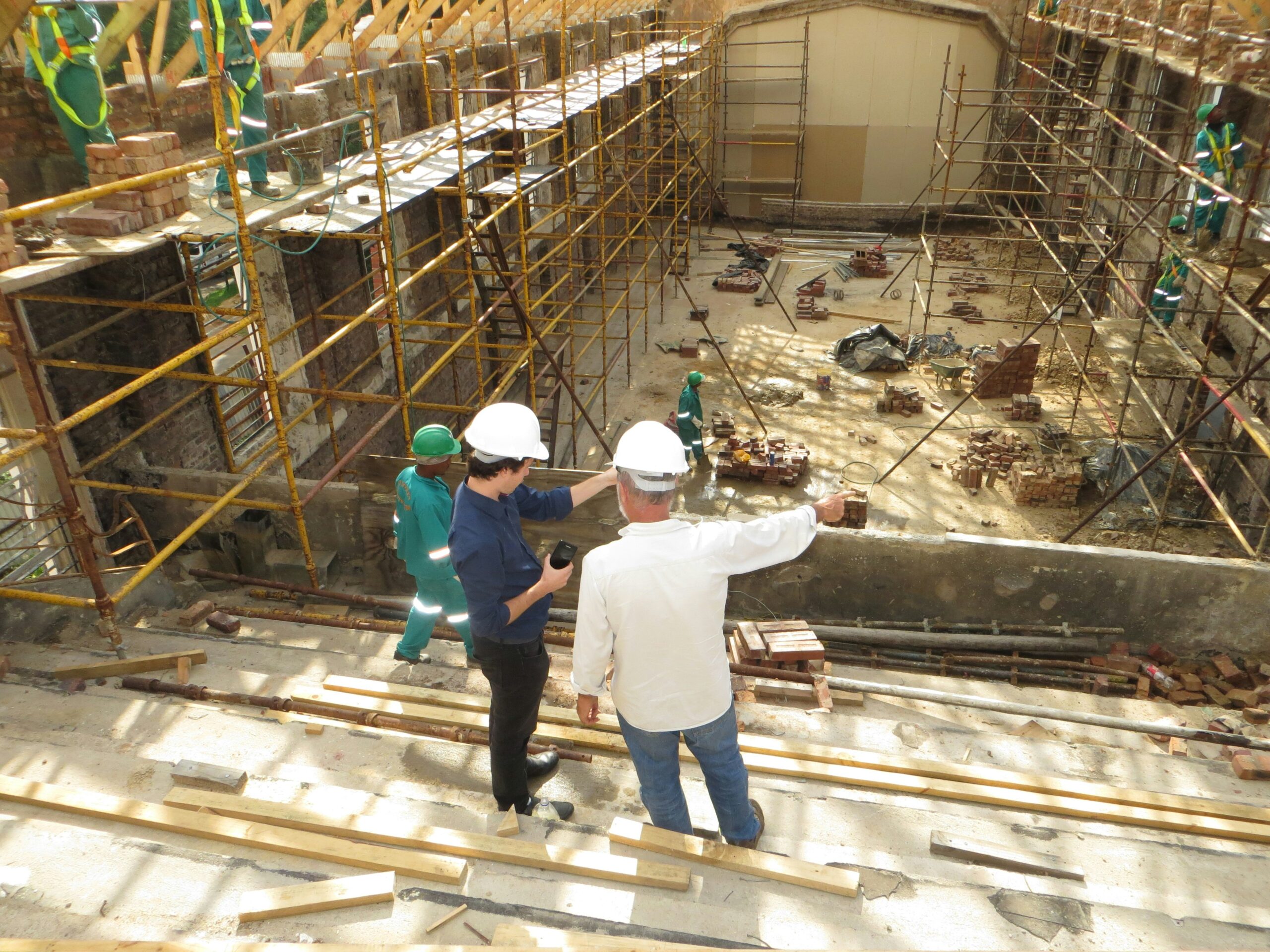
Construction-to-permanent loans have become an increasingly popular financing solution for real estate investors building rental properties, affordable housing developments, and long-term investment assets.
Unlike traditional short-term construction financing, construction-to-permanent loans combine both the construction phase and long-term mortgage into a single loan structure.
This allows investors to simplify financing while reducing closing costs and refinancing risk.
As build-to-rent and small-scale development projects continue expanding in 2026, construction-to-permanent financing has become an important tool for investors seeking long-term property ownership.
What Are Construction-to-Permanent Loans?
Construction-to-permanent loans are financing programs that begin as construction loans and automatically convert into permanent mortgages upon completion of the project.
Instead of obtaining:
- a separate construction loan
- then refinancing into a permanent mortgage
the borrower completes the entire process within one loan structure.
This creates:
- streamlined underwriting
- reduced refinancing risk
- fewer closing costs
- simplified project execution
How Construction-to-Permanent Loans Work
Construction-to-permanent loans generally operate in two phases.
Phase 1: Construction Period
During construction:
- funds are disbursed through construction draws
- interest-only payments are common
- inspections verify construction progress
The lender releases funds based on project milestones.
Phase 2: Permanent Financing
After construction is completed:
- the loan converts into a long-term mortgage
- amortizing payments begin
- the investor transitions into stabilized ownership
This structure eliminates the need for a second loan closing.
Why Investors Use Construction-to-Permanent Loans
Many real estate investors prefer construction-to-permanent financing because it simplifies the transition from development to long-term ownership.
These loans are commonly used for:
- build-to-rent projects
- single-family rental construction
- small multifamily developments
- affordable housing projects
- infill residential development
Construction-to-permanent loans help investors maintain continuity throughout the entire project lifecycle.
Benefits of Construction-to-Permanent Financing
Reduced Closing Costs
Because the construction loan and permanent mortgage are combined, investors often avoid:
- duplicate closing costs
- additional lender fees
- second underwriting processes
Simplified Financing Structure
Investors benefit from:
- one underwriting process
- one approval structure
- one lender relationship
This can significantly simplify project execution.
Long-Term Ownership Strategy
Construction-to-permanent loans are ideal for investors planning to:
- hold properties long term
- build rental portfolios
- create cash-flowing assets
- stabilize affordable housing projects
The structure aligns well with long-term investment strategies.
Common Construction-to-Permanent Loan Requirements
Most lenders evaluate:
- borrower experience
- construction budget
- project feasibility
- credit profile
- liquidity
- contractor qualifications
Lenders may also require:
- contingency reserves
- project timelines
- construction plans
- permits and approvals
Investors can also review mortgage and financing education resources published by the Consumer Financial Protection Bureau.
https://www.consumerfinance.gov
Down Payment and Equity Requirements
Construction-to-permanent loans typically require investor equity contributions.
Common ranges include:
- 15%
- 20%
- 25%
depending on:
- project type
- borrower experience
- leverage
- property location
Higher equity contributions may improve financing terms.
Interest Rates and Loan Terms
Construction phase interest rates may differ from permanent financing rates.
During construction:
- interest-only payments are common
After conversion:
- fixed-rate or adjustable-rate terms may apply
- amortization periods often range from 20 to 30 years
Construction-to-Permanent Loans vs Traditional Construction Loans
| Feature | Construction-to-Permanent Loans | Traditional Construction Loans |
|---|---|---|
| Single Closing | Yes | No |
| Permanent Mortgage Included | Yes | No |
| Refinance Required | No | Yes |
| Closing Costs | Lower | Higher |
| Long-Term Ownership Focus | Strong | Moderate |
Many investors prefer the simplicity of construction-to-permanent structures.
Who Should Consider Construction-to-Permanent Loans?
Construction-to-permanent financing may be ideal for:
- rental property investors
- build-to-rent developers
- affordable housing developers
- long-term landlords
- infill developers
- small multifamily builders
These programs are particularly useful for investors focused on long-term property stabilization.
Final Thoughts
Construction-to-permanent loans provide real estate investors with a streamlined financing solution that combines construction funding and long-term ownership financing into one structure.
As development opportunities continue expanding in 2026, these loans remain an attractive option for investors building rental housing and income-producing real estate assets.
Understanding how construction-to-permanent loans work can help investors reduce financing complexity while improving long-term project execution.
Ready to Explore Investor Financing?
CapitalBridge Group helps real estate investors finance construction projects, rental property development, and long-term real estate investments.
👉 Apply now:
https://capbridgegroup.com/apply-now/
👉 Learn more about DSCR financing:
https://capbridgegroup.com/dscr-loans/
👉 Explore Fix & Flip financing:
https://capbridgegroup.com/fix-and-flip-loans/